Bird Netting Installation for Preventing Unwanted Bird Entry
- tanveernawaz2020
- Aug 7
- 4 min read


Unwanted bird activity can become a persistent problem for homes, offices, commercial buildings, balconies, rooftops, terraces, and other open spaces. Birds may enter these areas in search of shelter, food, water, or suitable nesting locations. Over time, their presence can lead to droppings, feathers, nesting debris, unpleasant odors, and additional cleaning requirements. Bird netting installation provides a practical method for preventing unwanted bird entry and protecting valuable property areas.
Professionally installed bird netting creates a physical barrier that restricts birds from accessing selected spaces. Unlike temporary deterrents that may require frequent replacement or adjustment, a properly fitted net can provide continuous protection. With suitable materials, accurate measurements, and secure installation, bird netting can be customized to suit different property designs.
Why Preventing Unwanted Bird Entry Matters
Birds can quickly become accustomed to locations that provide comfortable resting or nesting conditions. Balconies, rooftops, ledges, courtyards, and open building sections can become regular gathering points. Once birds establish these areas as safe locations, simply removing them may not prevent them from returning.
Bird droppings can create visible stains and make surfaces more difficult to maintain. Feathers and nesting materials can also accumulate around corners, drainage points, air-conditioning units, and other building features. Installing a mosquito net for windows can provide added protection by helping keep insects outside while maintaining proper airflow and natural ventilation. Regular cleaning may become time-consuming and expensive when bird activity continues.
Preventing access at the source can be a more practical approach. Bird netting forms a barrier that helps keep birds outside the protected area, reducing opportunities for them to land, rest, or build nests.
How Bird Netting Works
Bird netting works by covering openings or enclosing specific areas where birds commonly enter. The net is secured to suitable points around the protected space, creating a continuous barrier.
The design of the installation depends on the structure and dimensions of the property. A balcony may require netting across an open front, while a rooftop or commercial facility may need a larger enclosed section. Professional installers assess the area before determining the best configuration.
The mesh size is also important. Different bird species vary in size, so the netting should be selected according to the type of bird causing the problem. Properly chosen mesh helps prevent birds from passing through or finding gaps in the barrier.
Professional Bird Netting Installation
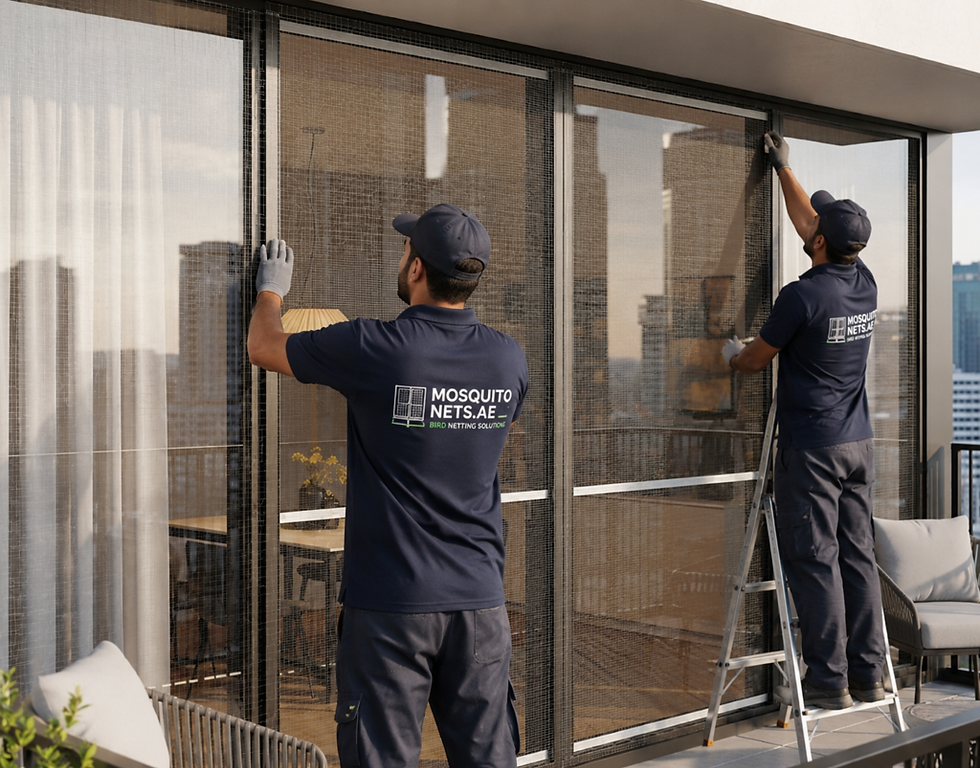
Professional installation plays an important role in achieving effective bird exclusion. Experienced installers inspect the area to identify bird entry points and determine suitable locations for fixing the net.
Accurate measurements are taken to ensure the net covers the required space. The installation must be secure enough to remain stable under outdoor conditions such as wind and sunlight. Any unnecessary gaps should be minimized because birds can take advantage of even small openings.
Professionals also consider the functionality of the property. Windows, doors, ventilation openings, air-conditioning systems, and access routes should remain usable wherever required. A well-planned installation provides protection without unnecessarily affecting the everyday use of the space.
Bird Netting for Balconies
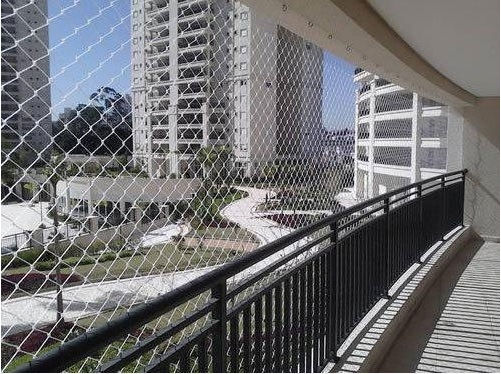
Balconies are particularly vulnerable to unwanted bird entry because they provide open, sheltered areas. Pigeons often use balconies for resting and nesting, which can result in droppings across floors, walls, railings, and outdoor furniture.
Balcony bird netting creates a discreet physical barrier that prevents birds from entering while allowing residents to use the space normally. The net can be customized to fit the balcony's dimensions and structure.
For apartment buildings and villas, professional installation can help maintain a clean appearance while providing reliable protection. A properly fitted system can also reduce the need for repeated cleaning caused by bird activity.
Protecting Rooftops and Terraces
Rooftops and terraces are common locations for bird gatherings. Birds may rest near water tanks, pipes, air-conditioning equipment, parapets, and other elevated structures.
Bird droppings around rooftop equipment can increase maintenance requirements and may contribute to surface staining. Nesting materials can also collect around drainage points and other areas.
Bird netting can be installed around selected sections to prevent birds from accessing vulnerable spaces. Strong materials and secure fixing methods are especially important for rooftop applications because these installations are directly exposed to outdoor weather.
Durable Materials for Reliable Protection
The effectiveness of bird netting depends partly on the quality of the material used. Outdoor netting should be designed to withstand sunlight, wind, dust, moisture, and regular environmental exposure.
UV-resistant netting can be particularly useful for properties exposed to strong sunlight. Durable materials help the system retain its strength and shape over an extended period.
The supporting components are also important. Strong fixing points and appropriate installation hardware help keep the net securely positioned. Professional installers can recommend materials according to the property's environment and bird control requirements.
Benefits of Preventing Bird Entry
One of the biggest benefits of bird netting is that it addresses the problem by restricting access. Instead of repeatedly removing birds or cleaning affected areas, property owners can reduce the opportunity for birds to enter in the first place.
Bird netting can help reduce droppings, feathers, nesting debris, and associated cleaning work. It can also help protect balconies, rooftops, terraces, warehouses, and other spaces from recurring bird activity.
Another advantage is versatility. Netting can be customized for different property sizes and structures. It can be used in residential, commercial, industrial, and institutional environments where unwanted bird entry needs to be controlled.
Maintaining an Effective Bird Netting System
Although bird netting is designed for long-term use, regular visual checks can help maintain its effectiveness. Property owners should occasionally inspect the net for signs of damage, loose fittings, or gaps.
Outdoor conditions, accidental contact, or nearby construction work can sometimes affect the installation. Addressing minor issues early can help maintain the integrity of the barrier.
Professional inspection and maintenance can be useful for larger installations where access is difficult or the system covers extensive areas.
Conclusion
Bird netting installation for preventing unwanted bird entry offers a reliable and practical way to protect residential and commercial properties from recurring bird problems. By creating a secure physical barrier, professionally installed netting can help prevent birds from entering balconies, rooftops, terraces, warehouses, and other vulnerable areas.
With durable materials, appropriate mesh selection, accurate measurements, and secure installation, bird netting can provide effective long-term protection. It can help reduce droppings, nesting debris, cleaning requirements, and maintenance concerns while keeping protected areas cleaner and more comfortable.

Comments