Bird Netting Installation for Secure Open Spaces
- tanveernawaz2020
- 3 days ago
- 5 min read


Open spaces around residential, commercial, and industrial properties can easily attract pigeons and other birds. Balconies, rooftops, courtyards, parking structures, warehouses, terraces, and service areas often provide birds with convenient places to rest, feed, and build nests. While occasional bird activity may seem harmless, repeated visits can lead to droppings, feathers, nesting debris, stains, and increased maintenance. Bird netting installation offers a practical way to protect open spaces by creating a physical barrier that limits unwanted bird access.
Why Secure Open Spaces Against Birds
Keeping open areas protected can make a significant difference to the cleanliness and usability of a property. Birds may enter through large openings and settle in sheltered sections where they feel safe. Once they establish a regular resting or nesting location, they may continue returning to the same area.
Bird droppings can accumulate on floors, walls, railings, windows, outdoor furniture, equipment, and other surfaces. Nesting materials can also collect in corners and difficult-to-reach locations. Regular cleaning may become time-consuming, particularly when bird activity continues every day. Bird netting helps address the source of the problem by restricting access to vulnerable spaces.
How Bird Netting Creates a Protective Barrier
Bird netting works by covering an open section with a durable mesh that is securely attached around its edges. Similarly, mosquito netting uses a fine mesh barrier to help prevent mosquitoes and other insects from entering indoor spaces while allowing fresh air and ventilation to pass through. The net acts as a barrier, preventing birds from flying into the protected area. When properly designed and installed, it can provide continuous coverage without completely blocking ventilation or natural daylight.
The effectiveness of the installation depends on accurate measurements and secure fixing. A professionally installed net should follow the structure of the protected area and leave minimal opportunities for birds to enter. This makes netting a useful option for open spaces where other temporary bird deterrents may not provide sufficient coverage.
Areas That Can Benefit From Bird Netting
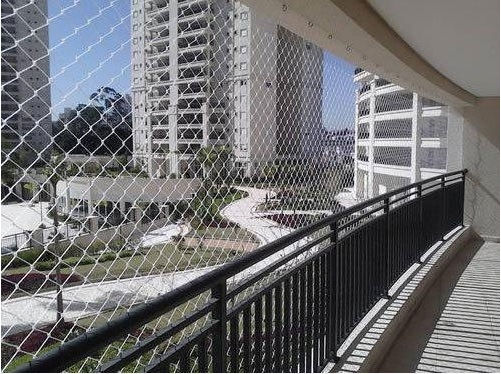
Bird netting can be customized for many different property types and open spaces. Residential balconies are common locations because pigeons often use them for shelter and nesting. Terraces, courtyards, and rooftop sections may also require protection when birds frequently gather in these areas.
Commercial properties can use bird netting around warehouses, loading zones, parking structures, service corridors, building entrances, and rooftop equipment. Hotels, restaurants, offices, schools, and apartment complexes may also benefit from customized installations based on their specific bird control requirements.
Choosing Durable Bird Netting Materials
Outdoor bird netting is exposed to various environmental conditions. Strong sunlight, heat, dust, wind, and moisture can affect the performance of low-quality materials. Selecting durable netting designed for outdoor applications is therefore important.
UV-stabilized polyethylene and strong nylon are commonly considered for bird control applications. The appropriate material depends on the location, size of the area, level of bird activity, and expected exposure to outdoor conditions. High-quality netting should provide sufficient strength while remaining lightweight and flexible enough for practical installation.
Importance of Professional Installation
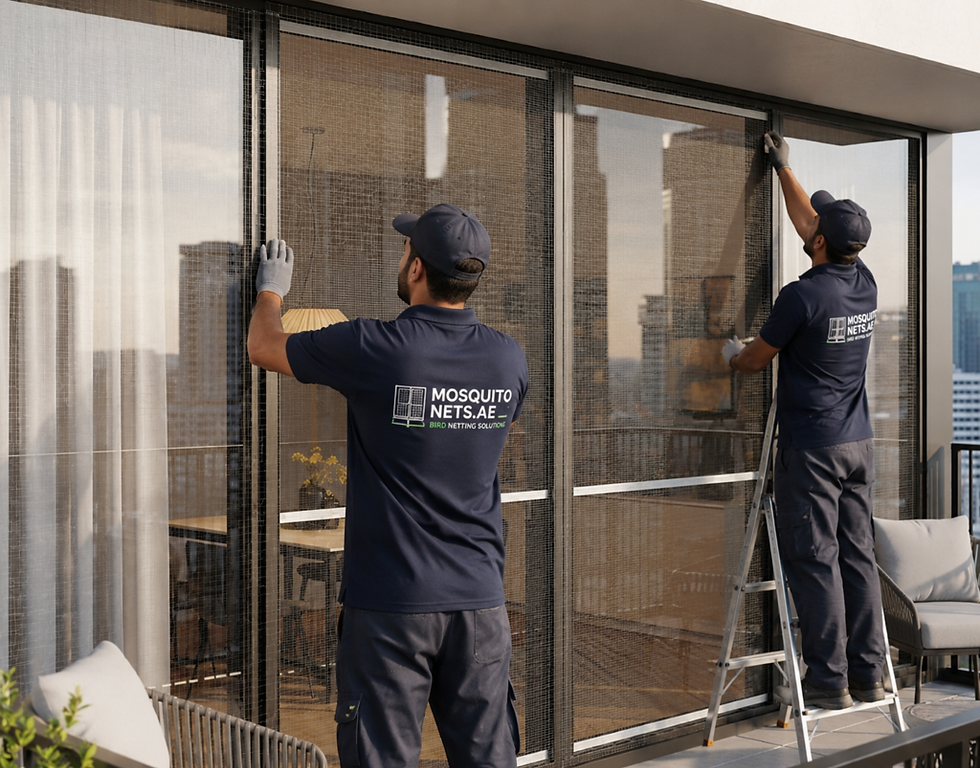
The quality of installation has a direct effect on how well bird netting protects an open space. Professional technicians can inspect the property before installation to identify bird entry points, common nesting locations, structural features, and areas requiring coverage.
Accurate measurements help ensure that the net fits the intended space correctly. Installers can also select appropriate fixing points and secure the edges to maintain proper tension. Careful installation reduces the possibility of gaps, loose sections, or sagging that could compromise the protective barrier.
Protecting Residential Open Spaces
For homeowners, open spaces such as balconies and terraces can be important areas for relaxation. However, frequent bird activity can make these spaces unpleasant to use. Droppings and feathers may cover floors and furniture, while nesting activity can create additional cleaning concerns.
Bird netting can provide a discreet barrier that helps keep these spaces protected. By limiting bird entry, homeowners can maintain cleaner outdoor areas and reduce the need for constant bird-related cleaning. Customized netting can be designed around railings, walls, ceilings, and other structural elements.
Supporting Cleaner Commercial Environments
Commercial properties often need to maintain high standards of cleanliness and appearance. Bird droppings around entrances, walkways, signs, rooftops, and equipment can create an unattractive impression for customers and visitors.
Installing bird netting around vulnerable areas can help businesses reduce unwanted bird access. A cleaner environment can also make routine maintenance easier for property management teams. Properly installed netting can provide protection while being positioned carefully to preserve the overall appearance of the building.
Protecting Rooftops and Equipment
Rooftops frequently contain air-conditioning units, ventilation systems, pipes, solar equipment, and other important installations. Birds may use these areas as convenient resting or nesting locations. Droppings and nesting materials can accumulate around equipment and create additional maintenance requirements.
Bird netting can be installed around selected rooftop areas to limit bird access. This can help keep sensitive spaces cleaner and make maintenance activities more manageable. The installation should be planned carefully so that it does not interfere with essential equipment access or ventilation.
Maintaining Bird Netting Over Time
Although quality bird netting is designed for long-term use, regular inspection is recommended. Property owners should occasionally check the net for tears, loose edges, damaged fixtures, or signs of wear. Outdoor exposure and accidental contact can sometimes affect the condition of the system.
If a damaged section is identified, timely repair can help prevent birds from finding an opening. Proper maintenance also helps preserve the neat appearance of the installation and supports continued performance.
Benefits of a Secure Open Space
A protected open space can provide several practical benefits. Reducing bird access can help decrease droppings, feathers, nesting debris, and associated cleaning requirements. It can also make balconies, terraces, rooftops, and commercial areas more comfortable and easier to maintain.
Bird netting is especially useful because it provides a physical solution rather than relying entirely on temporary measures. When professionally installed, the net can remain in place and provide ongoing protection against unwanted bird entry.
Conclusion
Open spaces can become attractive locations for pigeons and other birds, particularly when they provide shelter and easy access. Bird netting installation offers a reliable way to create a protective barrier around vulnerable areas while maintaining the usability of the property.
From residential balconies and terraces to commercial rooftops, warehouses, parking structures, and service areas, bird netting can be customized to meet different requirements. Durable materials, accurate measurements, secure fixing, and professional workmanship are essential for effective results.
By restricting unwanted bird access, professionally installed bird netting can help keep open spaces cleaner, more comfortable, and easier to maintain. It provides a practical long-term approach for property owners seeking dependable protection against recurring bird activity.

Comments